Views: 127 Author: Site Editor Publish Time: 2026-07-31 Origin: Site
A heavy-duty chain hoist is not just a larger version of a standard hoist. It must carry demanding loads with stable braking, durable gearing, strong hooks, reliable load chains, and a structure that can withstand repeated industrial use. Buyers should be careful with the phrase “heavy duty” because it is often used in marketing. The real test is whether the hoist matches the load, duty cycle, environment, and inspection requirements.
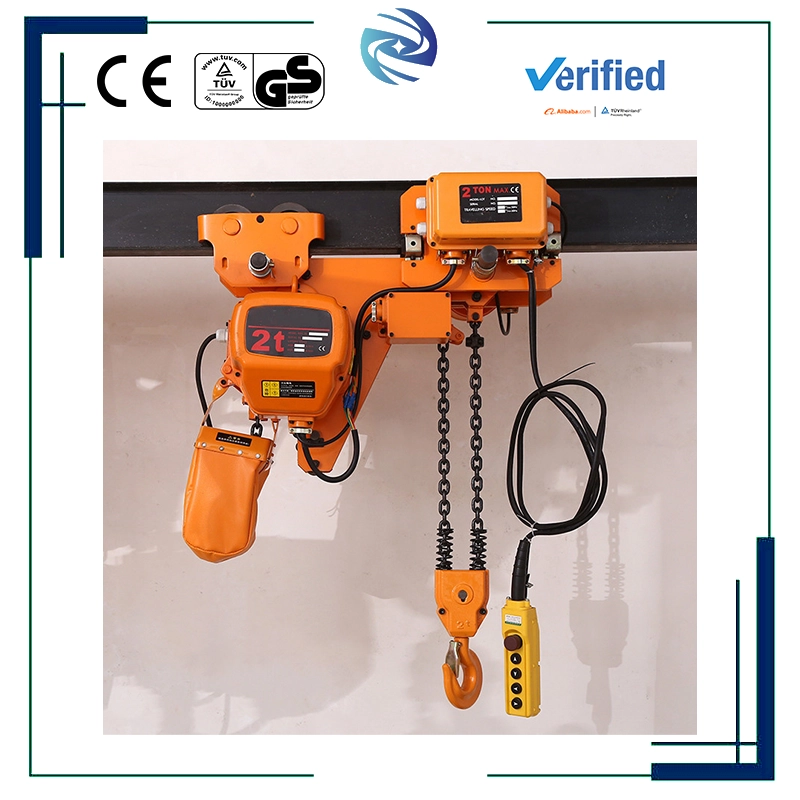
For this heavy-duty topic, the most relevant product references are the HHBB Electric Chain Hoist for high-frequency powered lifting, the VD Manual Chain Hoist for heavy-duty hand-operated lifting, and the G80 Alloy Steel Lifting Chain for load-chain strength evaluation. These detail pages fit the subject better than a general category link.
Many buyers define heavy duty only by tonnage. Capacity is important, but it is not enough. A hoist rated for a high load still needs the right lifting height, brake design, gear strength, load chain quality, hook structure, and maintenance plan. A low-frequency lift of a heavy machine is different from repeated lifting in a production area.
The buyer should ask how often the hoist will work, how long each lift is, whether the load starts and stops frequently, and whether the working area is clean or harsh. These details decide whether the hoist is truly heavy duty for that specific job.
A heavy-duty hoist depends on the load chain. The chain must resist wear, deformation, and fatigue under repeated load. Zhong Sheng Lifting’s G80 lifting chain information describes alloy steel material, surface treatment choices, EN 818-2 and ISO 3076 references, permanent G80 marking, proof load control, and a 4:1 safety factor. These details help buyers evaluate whether the lifting system has a dependable foundation.
Surface treatment also matters. A polished chain may suit many indoor jobs, while galvanized or coated options may be better for wet, outdoor, or corrosive environments. Heavy duty should always be defined together with the environment.
A heavy-duty hoist must hold the load securely when lifting stops. The brake system should operate smoothly and consistently. Gears should transfer force without rough movement or abnormal noise. If a hoist feels unstable during lifting or lowering, it should not be ignored. Smooth operation is not only about comfort; it helps protect the load, operator, and surrounding equipment.
Heavy-duty factor | What buyers should check |
|---|---|
Rated capacity | Actual load weight, margin, and future load changes |
Duty pattern | Occasional heavy lift or repeated daily lifting |
Load chain | Grade, material, marking, wear resistance, surface treatment |
Hooks | Forged structure, latch condition, opening deformation, rotation |
Brake system | Holding ability, smooth release, inspection routine |
Environment | Humidity, dust, outdoor use, chemical exposure, storage |
A manual heavy-duty hoist is useful when lifting is occasional, speed is not critical, and the operator needs precise control. It can be a practical choice for maintenance, installation, repair, and field work. The VD Manual Chain Hoist is one example of a hand-operated model designed for heavy-duty lifting tasks.
An electric heavy-duty hoist becomes more attractive when lifting is frequent or when labor effort must be reduced. Electric models can improve speed and consistency, but they require power access, proper installation, controls, and a maintenance plan. The best choice depends on the working rhythm, not only the weight of the load.
Heavy-duty lifting requires disciplined inspection. Operators should check hooks, latches, chain condition, brake behavior, housing damage, labels, and abnormal noise before use. Maintenance teams should record service history and remove damaged equipment from the workplace. A hoist that is never inspected is not truly heavy duty; it is only being trusted without evidence.
Buyers should also plan spare parts and after-sales support. If a hoist is used in important production or construction work, replacement chains, hooks, and service guidance can reduce downtime. A supplier with a broad lifting product range can support this need more easily than a seller offering only one isolated item.
Some buyers assume a heavy-duty hoist can tolerate poor handling because it is stronger. This is a dangerous assumption. Heavy-duty equipment still has limits. Side pulling, shock loading, twisted chains, damaged hooks, and poor storage can shorten service life. The stronger the load, the more important proper use becomes.
A reliable heavy-duty lifting plan includes operator training, inspection records, load control, and correct storage. Chains should be kept clean and checked for wear. Hooks should not be overloaded or modified. Electric hoists should be protected from unsuitable voltage and harsh environments. Manual hoists should not be forced with extra bars or unsafe pulling methods. A heavy-duty hoist delivers value when it is used within its design limits and maintained with discipline.
No. Heavy duty also depends on duty pattern, brake design, chain grade, hook quality, environment, and inspection discipline.
It is better when heavy lifting is repeated often and lifting speed affects output. The buyer should still confirm power, installation, and control requirements.
The biggest mistake is trusting the “heavy duty” label without checking real specifications, working conditions, and the complete lifting path.
A truly heavy-duty chain hoist is defined by more than capacity. It combines suitable load rating, strong load chain, reliable brake design, durable hooks, appropriate surface protection, correct hoist type, and routine inspection. Buyers should match the hoist to real lifting frequency, environment, and safety requirements. When these factors are checked together, a heavy-duty chain hoist becomes a dependable lifting tool rather than a risky purchase based on a label.