Views: 0 Author: Site Editor Publish Time: 2026-09-18 Origin: Site
Upgrading warehouse fleets is no longer just about load capacity. It is an infrastructure decision centered heavily on energy management and uptime. Modern facilities run on tight schedules. Power system failures disrupt entire supply chains. You must evaluate how your equipment draws, stores, and utilizes energy daily. The industry shift toward lithium-ion is undeniable. However, this modern chemistry is not automatically the best fit for every facility. High-throughput hubs demand constant movement. Lighter operations often leave equipment idle for days. You need an objective framework. This evaluation must align battery capabilities against your specific operational tempo. This article breaks down the technical differences between power sources. We will explore charging dynamics, maintenance demands, and infrastructure requirements. You will learn how to match battery chemistries to your shift patterns and operating environments.
Throughput vs. CapEx: Lead-acid remains viable for low-cycle, single-shift operations, while lithium-ion justifies its premium in high-throughput, multi-shift environments.
Maintenance Uptime: Lithium-ion eliminates battery watering and equalizing, reclaiming weekly labor hours.
Infrastructure Impact: Transitioning to lithium-ion requires evaluating facility electrical capacity for decentralized fast-charging stations.
Total Cost of Ownership (TCO): Breakeven on lithium-ion premiums typically occurs between 12 to 24 months in heavy-use scenarios.
Modern material handling relies on continuous operational flow. Power systems form the foundation of this continuity. Facility managers must define clear success criteria before upgrading equipment. Key metrics include daily uptime percentage, labor hours spent on maintenance, and usable warehouse footprint. These factors directly influence your overall facility output. Battery maintenance should never interrupt core picking or loading tasks. Every minute spent watering batteries reduces your daily throughput.
A core conflict exists when selecting new equipment. Procurement teams face tension between minimizing initial fleet requirements and reducing ongoing operational burdens. A heavy initial resource commitment often yields long-term efficiency. Conversely, lower upfront commitments usually require higher daily labor inputs. You must balance these competing priorities carefully.
Evaluating pallet truck solutions requires looking beyond raw lifting capacity. The battery chemistry dictates the entire equipment workflow. It influences route planning across the warehouse floor. It also determines mandatory operator breaks and charging schedules. Lead-acid systems force operators into rigid routines. Lithium systems offer flexible integration into natural workflow pauses. Therefore, the power source you choose ultimately shapes your daily facility management strategy.
Understanding the technical divide requires comparing specific performance metrics. Charging behaviors, maintenance protocols, and degradation rates differ vastly between chemistries. You must evaluate how these traits impact your daily operations.
Lead-acid batteries operate under the strict 8-8-8 rule. Operators must use the battery for eight hours. They then charge it for eight hours. Finally, the battery requires an eight-hour cooling period. You cannot bypass this cooling phase. Bypassing it causes severe heat damage. Multi-shift operations therefore require physical battery swapping. Swapping demands heavy hoists and dedicated personnel.
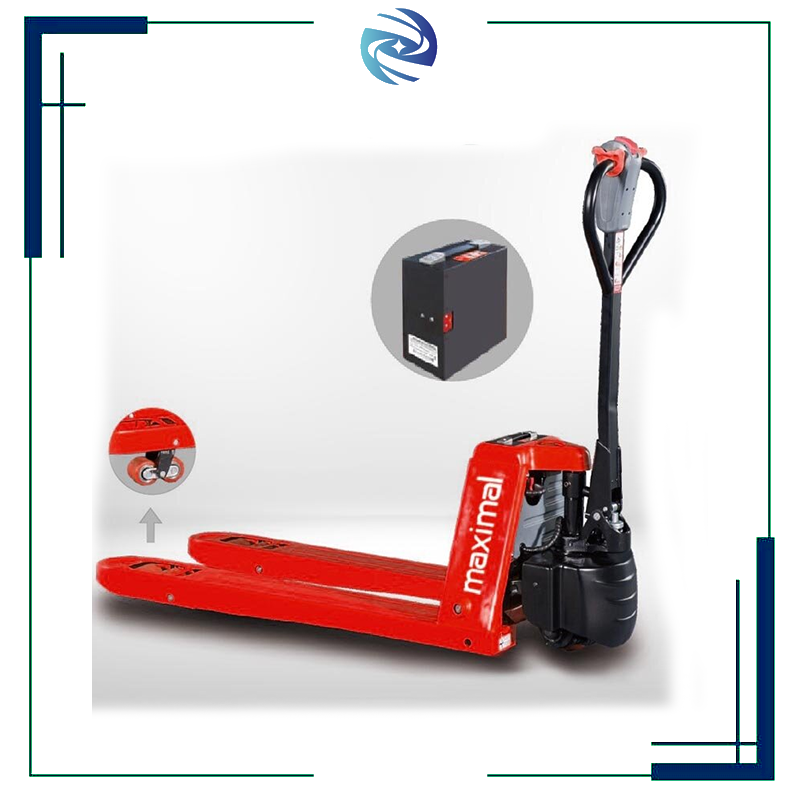
Conversely, lithium chemistry supports opportunity charging. Operators simply plug the equipment in during 15-minute breaks or lunch shifts. The battery accepts high currents rapidly. It requires no cooling period before use. High-throughput facilities rely on lithium-ion pallet trucks to maintain continuous momentum across all shifts.
Lead-acid units impose a heavy maintenance burden. Maintenance teams must perform scheduled distilled watering. They must clean corrosive acid spills regularly. The batteries also require weekly equalization charges to balance cell voltages. This labor actively pulls workers away from productive tasks.
Lithium systems require virtually zero daily maintenance. A sophisticated internal Battery Management System (BMS) handles cell balancing automatically. The BMS monitors temperature, voltage, and current flow in real time. It prevents overcharging and eliminates the need for manual fluid top-offs. You reclaim hundreds of labor hours annually as a result.
Cycle life defines how long a battery remains viable. Lead-acid batteries typically average 1,000 to 1,500 cycles. Their lifespan depends heavily on proper maintenance. Pushing the Depth of Discharge (DoD) past 20% severely degrades future capacity. Partial charging also damages lead-acid cell structures permanently.
Lithium batteries average 2,500 to 3,000 or more cycles. Their internal chemistry remains unaffected by partial charges. Deep discharges do not permanently cripple their total capacity. They deliver consistent voltage until nearly depleted. Operators experience no sluggishness at the end of a shift.
Performance Metric | Lead-Acid System | Lithium-Ion System |
|---|---|---|
Charging Protocol | Rigid 8-8-8 Rule | Flexible Opportunity Charging |
Cooling Period | 8 Hours Required | None Required |
Daily Maintenance | High (Watering, Cleaning) | Zero (BMS Managed) |
Average Cycle Life | 1,000 - 1,500 Cycles | 2,500 - 3,000+ Cycles |
Discharge Degradation | High (below 20% DoD) | Minimal |
No single battery chemistry universally dominates every warehouse application. You must match the technology to your specific operational realities. Assessing shift patterns and environmental conditions ensures maximum fleet efficiency.
Many smaller facilities operate purely on a single daily shift. Equipment sits idle overnight. Lead-acid often serves these environments perfectly. The rigid 8-8-8 rule easily aligns seamlessly into a standard workday. Operators use the truck for eight hours. They plug it in before going home. The battery charges and cools before the next morning. Implementing standard electric pallet trucks utilizing traditional batteries makes practical sense here. You maximize existing infrastructure without over-engineering your fleet.
Third-party logistics (3PL) providers operate under immense pressure. They usually run 24/7 schedules. Traditional battery swapping creates major bottlenecks in these hubs. Opportunity charging solves this logistics nightmare. One lithium battery can seamlessly service a round-the-clock operation. Operators simply plug in during shift handovers. You eliminate the need for secondary batteries entirely. This lean approach keeps aisles clear and merchandise moving continuously.
Sub-zero environments severely punish battery chemistry. Internal resistance rises as temperatures drop. Traditional systems struggle heavily in freezers.
Capacity Loss: Lead-acid batteries often lose up to 50% of their rated capacity in freezer applications. The cold thickens the electrolyte, slowing chemical reactions drastically.
Voltage Sag: Traditional batteries suffer extreme voltage drops under load in cold rooms. This results in sluggish lifting speeds and stalled equipment.
Thermal Management: Advanced lithium units frequently include built-in thermal heaters. The BMS activates these heaters to warm the cells before accepting a charge. They maintain stable voltage and full capacity even in extreme sub-zero conditions.
Transitioning battery chemistry alters facility operations fundamentally. You must evaluate structural and procedural risks before upgrading. Proper planning mitigates workflow disruptions.
Lithium charging demands serious electrical infrastructure. Decentralized fast chargers pull massive amperage spikes. You must assess your building's current grid capacity. Older facilities often lack the necessary electrical panels to support multiple fast chargers simultaneously. Upgrading facility wiring requires extensive planning. You must place charging stations strategically near break rooms. This placement encourages operators to plug in during short breaks. Failing to upgrade infrastructure leads to tripped breakers and localized power failures.
Environmental Health and Safety (EHS) protocols differ completely between chemistries. Lead-acid systems generate hydrogen gas during the charging phase. OSHA requires strict ventilation compliance to prevent explosive gas buildup. You must also maintain stocked acid spill kits nearby. Dedicated eyewash stations are mandatory.
Lithium systems remove off-gassing risks entirely. They eliminate dangerous acid spills. However, they introduce thermal runaway risks. A damaged lithium cell can rapidly overheat and ignite. You must source equipment featuring verified, high-quality BMS hardware. The BMS acts as the primary safety mechanism. It instantly disconnects power if temperatures exceed safe thresholds.
Upgrading equipment requires retraining your workforce. Operators develop strong habits over years of using traditional equipment. You must actively break the "drive until dead" mindset.
Shift Habits: Operators must learn to plug the equipment in whenever parked. Even a ten-minute charge significantly boosts daily uptime.
Visual Inspections: Workers must inspect charging cables for fraying. High-amperage cables degrade quickly if mishandled.
Error Codes: Train staff to read BMS error codes on the dashboard. They should report temperature warnings immediately rather than ignoring them.
Connection Practices: Ensure workers seat the charging plug fully. Loose connections create dangerous arcing during fast charges.
Selecting the right power system requires aligning technology with your facility demands. If your operation runs a single shift and initial resources are constrained, traditional lead-acid remains highly effective. It reliably powers standard workdays. If your facility runs multiple shifts and warehouse space is constrained, lithium-ion clearly dominates. It eliminates battery rooms and prevents swapping downtime.
Do not finalize your fleet strategy based on assumptions. We recommend conducting a two-week power audit on your existing electric pallet trucks. Track actual usage hours, idle times, and charging habits across all shifts. Document exactly how long equipment sits parked during breaks. Use this concrete operational data to determine your true infrastructure requirements before issuing your next equipment RFP.
A: Yes, many manufacturers offer drop-in lithium replacements. However, you must verify voltage compatibility closely. Lithium batteries weigh significantly less than traditional batteries. You may need to add physical steel counterweights to maintain the truck's lifting stability. Always check if retrofitting voids your original OEM equipment warranties before proceeding.
A: Absolutely. You cannot use traditional chargers on lithium systems. Lithium batteries require matched chargers capable of communicating directly with the internal Battery Management System (BMS). The BMS dictates the exact voltage and current the charger provides. Using mismatched chargers risks severe battery damage and fire hazards.
A: Lead-acid boasts a highly established recycling network. Over 98% of lead and plastic components are recovered and reused globally. Lithium-ion recycling protocols are still emerging and expanding. While specialized facilities can recover valuable metals like cobalt and nickel, the lithium recycling infrastructure remains less localized than traditional lead recycling networks.