Views: 151 Author: Site Editor Publish Time: 2026-07-23 Origin: Site
Modern workshops need lifting equipment that does more than raise and lower a load. A chain hoist must help operators work safely, keep production moving, reduce manual strain, and fit into a clear maintenance routine. When a hoist is chosen well, it becomes part of the workshop workflow. When it is chosen poorly, it creates delays, unsafe handling habits, and higher repair costs.
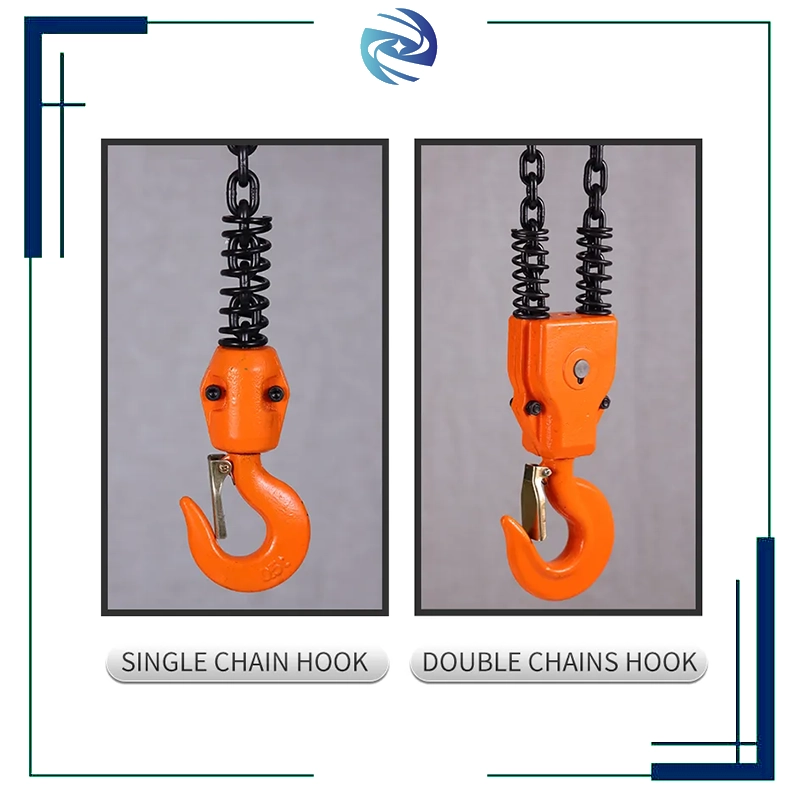
For this workshop-efficiency topic, the closest product match is the HHBB Electric Chain Hoist. It fits repeated lifting work in factories, workshops, warehouses, shipyards, construction sites, and machine assembly lines, where powered lifting speed, braking response, G80 load chain quality, and stable control are more important than a generic category link.
In a workshop, many lifting tasks happen near people, machines, tools, and finished products. Operators may need to lift motors, molds, pumps, steel parts, vehicle components, or packed goods. Poor control can cause swinging, sudden drops, or impact damage. A good hoist allows controlled movement so the load can be positioned slowly and accurately.
Manual chain hoists are useful when the operator needs fine adjustment. Electric chain hoists are better when the same lifting action is repeated many times. Both can be safe when used correctly, but they serve different work patterns. The key is to avoid using one type for every job.
Many workshops lose time because lifting tools are either too small, too slow, or too difficult to set up. If a worker spends too much time pulling a hand chain, production slows down. If an electric hoist is installed where only occasional lifting is needed, the buyer may pay for capacity that is not fully used. Efficiency starts with understanding how often the load is lifted, how high it moves, and how much precision is needed.
Workshop situation | Suitable hoist direction |
|---|---|
Occasional repair lifting | Manual chain hoist for portability and simple control |
Frequent assembly lifting | Electric chain hoist for faster repeated operation |
Heavy part positioning | Hoist with stable braking and strong load chain |
Low headroom area | Compact hoist body and suitable trolley arrangement |
Outdoor or dusty area | Durable surface treatment and regular inspection plan |
Buyers often ask for “safe lifting equipment,” but safety is practical, not decorative. Important details include brake reliability, load chain condition, hook latch condition, upper and lower travel control on powered models, overload protection where available, and clear operator training. Safety also depends on the beam, trolley, sling, hook, and load attachment. A strong hoist cannot correct a weak lifting point.
For buyers who still need a manual reference for occasional workshop maintenance, the HSZ Round Manual Chain Block is a better supporting link than a category page. For frequent lifting stations, the HHBB Electric Chain Hoist remains the main product reference.
Operator fatigue is often ignored during purchasing. A manual hoist may be affordable, but repeated pulling can slow work and increase strain. On the other hand, an electric hoist reduces manual effort but requires correct installation and power access. A workshop should not evaluate lifting equipment only by purchase price. It should also consider labor time, operator comfort, training, maintenance, and downtime.
A balanced workshop may use both types. Manual hoists can support maintenance, temporary lifting, and backup tasks. Electric hoists can support production areas where lifting speed and repeatability are more important. This combination often delivers better value than forcing one solution into every lifting point.
Even a high-quality hoist needs routine inspection. Operators should check the load chain, hand chain, hooks, latches, brake feel, abnormal noise, and visible deformation before use. Maintenance teams should record inspection dates and remove damaged equipment from service. Good inspection habits reduce unexpected failure and help the workshop plan replacement before problems become urgent.
Zhong Sheng Lifting also supplies related lifting products such as G80 chains and rigging accessories. This matters because a lifting system is more than the hoist body. The chain, sling, hook, shackle, and attachment point all influence the safety of the lift.
A workshop does not need to replace every hoist at once. A practical upgrade starts by dividing lifting points into three groups. The first group is occasional maintenance work, where manual hoists may remain suitable. The second group is repeated production lifting, where electric hoists can reduce wasted time. The third group is higher-risk lifting, such as heavy components, difficult positioning, or work near finished products. These points deserve the most careful specification review.
After grouping the tasks, the buyer should record load weight, lifting height, daily lift frequency, operator position, and available power. This information makes quotations more accurate. It also prevents a supplier from recommending a hoist based only on capacity. In many workshops, the best improvement is not simply buying a larger hoist. It is selecting the correct type of hoist for each station and training operators to use the equipment consistently.
No. Electric hoists are best where lifting is frequent or time-sensitive. For occasional repair work, a manual chain hoist may still be simpler and more economical.
The lifting point is often overlooked. The beam, trolley, sling, hook, and connection method must all match the load. A good hoist cannot make an unsuitable lifting point safe.
Modern chain hoists improve workshop safety and efficiency when they are selected by real working conditions. Manual hoists remain practical for flexible, occasional, and precise lifting. Electric hoists bring stronger value to frequent and repetitive lifting work. Buyers should define load weight, lift height, work frequency, power availability, environment, and inspection routine before choosing. With the right match, a chain hoist becomes a reliable part of daily production rather than a source of delays.