Views: 164 Author: Site Editor Publish Time: 2026-06-16 Origin: Site
Procurement and rigging professionals often make a critical misstep on the job site. They mistakenly assume higher tensile strength automatically equals universal safety. This dangerous misconception drives teams to over-specify metal chains and wire ropes for every single task. Relying solely on these rigid materials frequently leads to crushed payloads, gouged surfaces, and severe operator injuries.
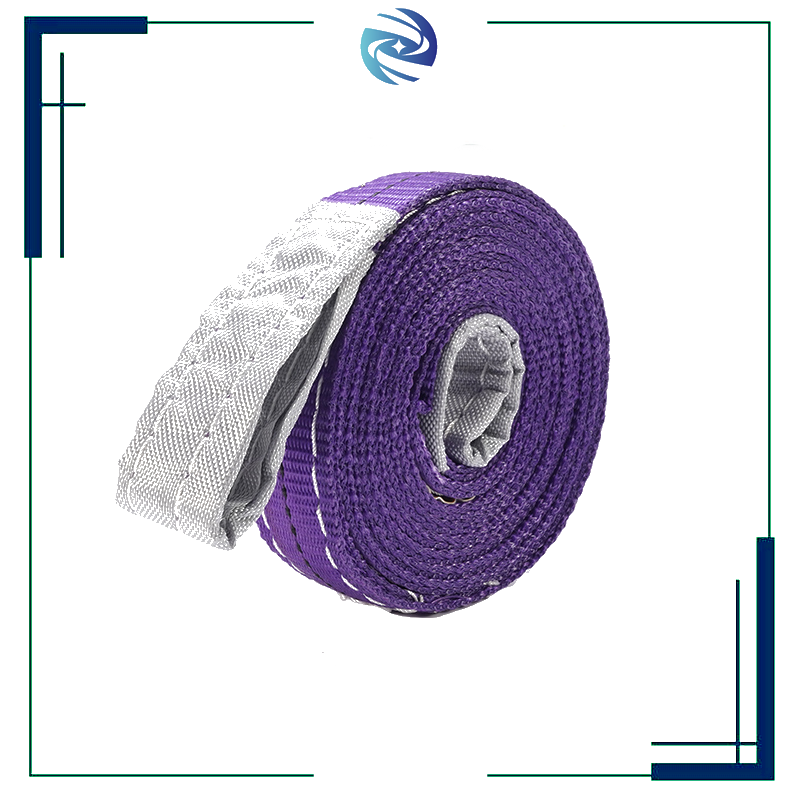
webbing slings present a highly calculated, safer alternative. They actively mitigate specific catastrophic failure risks, such as unpredictable snapback recoil and localized load crushing, particularly in controlled environments.
This guide provides a hard-evidence, compliance-backed framework for modern rigging. You will discover exactly when synthetic options definitively outperform metal counterparts. We will explore how choosing the right material enhances both crew safety and operational efficiency without ever compromising lifting integrity.
Load Protection: Webbing slings distribute weight over a wider surface area, making them mandatory for Surface-protected cargo lifting and fragile components.
Operator Safety: Synthetic materials eliminate the risk of severe hand lacerations ("fishhooks") inherent to wire rope handling.
Failure Dynamics: Unlike wire rope, a broken polyester webbing sling releases less kinetic energy, removing the devastating "whipping" effect during a catastrophic drop.
The Trade-off: Webbing provides superior ergonomics and surface protection but requires rigid adherence to edge-protection protocols and strict temperature limits (max 194°F).
Rigging safety goes far beyond raw tensile strength. We must evaluate how different materials behave under extreme stress. Every lifting medium fails differently. Understanding these failure mechanics prevents catastrophic workspace accidents.
Alloy chains offer a distinct visual warning before failure. They typically stretch 15% to 20% beyond their original length when overloaded. This plastic elongation signals riggers to abort the lift immediately. Wire ropes do not offer this luxury. They suffer from hidden core fatigue. The internal strands grind together under heavy tension. The exterior often looks perfectly fine. A wire rope can snap suddenly without any visual warning. Synthetics behave differently. They show external fraying, cuts, or melting long before they reach their breaking point.
A snapped wire rope releases immense kinetic energy. It whips across the workspace uncontrollably. This violent "snapback" severely injures nearby operators. webbing slings prevent this catastrophic recoil. Synthetic materials possess significantly lower mass. They stretch slightly under load, absorbing the energy. If a synthetic line parts, it simply drops to the ground. It lacks the heavy mass required to create a devastating whip effect. This characteristic drastically reduces collateral damage to personnel.
OSHA standards demand rigorous inspections for all rigging equipment. Inspecting wire rope requires immense skill. Internal core damage remains notoriously difficult to spot. Riggers must look for subtle diameter changes or bird-caging. Synthetic inspections are unambiguous. You inspect the surface. Any visible cuts, holes, melting, or missing identification tags instantly condemn the equipment. This simplicity leaves zero room for dangerous guesswork.
Failure Mechanics Comparison Chart | |||
Material Type | Primary Failure Mode | Warning Signs Before Failure | Kinetic Recoil Risk |
|---|---|---|---|
Alloy Chain | Plastic Elongation | 15-20% visual stretching | Low |
Wire Rope | Internal Core Fatigue | Hidden (difficult to detect) | Extremely High (Snapback) |
Synthetic Webbing | Surface Cut / Abrasion | Visible fraying or cuts | Zero to Minimal |
Metal rigging excels in extreme heat and heavy abrasion. However, specific operational environments demand a softer approach. Synthetics outperform chains and wire ropes in scenarios requiring precision, balance, and surface protection.
Certain payloads require utmost care. Aerospace components, polished hydraulic cylinders, and pre-painted machinery fall into this category. Metal chains create highly focused pressure points. These points easily crush soft metals or gouge painted surfaces. Flat synthetic construction disperses pressure evenly across a wider surface area. This wide footprint prevents structural damage to fragile loads. Riggers use synthetics to ensure the equipment arrives in pristine condition.
Operations near saltwater introduce heavy corrosion risks. Wire ropes require constant lubrication to fight off rust. Chains eventually oxidize in humid marine environments. Synthetics carry zero risk of rust or oxidation. They are perfect for lifting finished architectural elements. Furthermore, they eliminate metal-to-metal abrasion. When you use a choke or basket hitch, the soft material grips the load tightly without scratching delicate surfaces.
Climate-controlled manufacturing floors and fast-paced assembly lines demand efficiency. Heavy steel chains cause severe rigger fatigue. Synthetics boast an incredibly high strength-to-weight ratio. They weigh a fraction of their metal equivalents. Lighter rigging promotes much better ergonomics. Workers maintain proper posture while manually handling the equipment. This directly reduces worker compensation claims related to chronic back injuries and muscle strain.
Asymmetrical loads require precise balancing. Stiff wire ropes struggle to adapt to odd shapes. If you bend a wire rope past its safe D/d (Diameter of bend to diameter of rope) ratio, it suffers permanent kinking. The extreme flexibility of a polyester webbing sling solves this problem. It molds tightly around irregular contours. It provides superior grip in a choke configuration. This adaptability makes balancing awkward loads infinitely safer.
Rigging teams must recognize the invisible dangers associated with metal equivalents. Heavy materials introduce unique safety hazards into the daily workflow. These risks often go unnoticed until an accident occurs.
Handling wire rope bare-handed is extremely dangerous. Tiny individual wires break over time. They protrude from the main rope structure. Industry professionals call these broken wires "fishhooks." They easily slice through heavy leather gloves. They cause deep puncture wounds and severe lacerations. Synthetics completely eliminate this specific workplace hazard. They remain soft and safe to handle throughout their entire service life.
Sudden drops or jerky crane movements cause shock loading. This violent force multiplies the actual weight of the payload. Shock loading causes invisible structural damage to metal slings. Chains suffer microscopic stress fractures. Wire ropes suffer internal strand compression. Synthetics offer a slight, natural shock absorption. The fibers stretch under sudden force. While you must always avoid shock loading, synthetics handle minor accidental jolts better than rigid metals.
Metals hate tight corners. Forcing a wire rope tightly around a sharp edge causes immediate damage. Doing this without a proper thimble or radius block kinks the rope permanently. A kink permanently misaligns the internal strands. It instantly renders the wire rope unsafe for future use. Chains can bend around corners, but sharp edges still reduce their safe working limit. Synthetics mold to shapes easily, provided you use the proper edge protection.
Synthetic options are incredibly safe when used correctly. However, they possess strict operational limitations. You must adhere to specific industry standards. Failing to respect these limitations turns a safe tool into a deadly hazard.
Industry regulators hold synthetics to rigorous standards. OSHA and ASME B30.9 dictate a strict 5:1 design factor for all synthetic rigging. This means the actual breaking strength is five times higher than the rated working load limit (WLL). This huge safety margin accounts for minor wear and tear. However, you cannot rely on this margin to lift heavier loads. "Safer" only applies when you operate strictly within the specified WLL.
We must transparently address the biggest weakness. Synthetics are highly susceptible to cutting under tension. A load weighing several tons easily slices through webbing if dragged across a sharp steel edge. Corner protectors are entirely non-negotiable. You must use cut-resistant sleeves, magnetic edge guards, or engineered padding on any angular load. Ignoring this rule guarantees catastrophic failure.
Synthetics cannot survive extreme environments. You must memorize these strict environmental limits:
Temperature maximums: They melt at elevated temperatures. The absolute maximum safe operating limit is 194°F (90°C). They are completely unfit for foundries or welding shops.
Chemical interactions: Different materials react differently. Polyester resists acids well but disintegrates in alkalis. Nylon resists alkalis but melts in acid. You must match the material to your chemical environment.
UV light degradation: Sunlight destroys synthetic fibers over time. UV rays chemically degrade the material, turning it brittle. You should never store them outdoors.
Manufacturers use a universal color-coding system. This system acts as a visual safety mechanism for riggers. It allows operators to identify the safe working load from a distance. Below is the standard matrix:
Standard Color-Coding Matrix | ||
Color Code | Safe Working Load Limit (Tonnage) | Typical Application Size |
|---|---|---|
Purple | 1 Ton | Light machinery components |
Green | 2 Tons | Standard pallets, small vehicles |
Yellow | 3 Tons | Mid-sized industrial equipment |
Grey | 4 Tons | Heavy manufacturing parts |
Red | 5 Tons | Large construction materials |
Brown | 6 Tons | Marine equipment, heavy pipes |
Understanding the actual lifecycle of your rigging equipment shapes a safer work environment. Procurement teams must frame their strategy around operational realities rather than static longevity metrics. Synthetics behave distinctly differently from heavy metal options over time.
Webbing naturally possesses a shorter physical lifespan than Grade 80 or Grade 100 alloy chains. Dragging a chain across a concrete floor causes minimal harm. Dragging synthetic fibers across that same floor causes rapid fraying. Synthetics degrade under constant friction. Riggers must accept this reality. You cannot treat soft materials with the same rough negligence allowed by heavy steel.
The true value of synthetics lies in payload protection. A scarred chain easily gouges an expensive aerospace component. The resulting damage ruins the payload entirely. Synthetics sacrifice themselves to protect the load. They act as a soft barrier. They prevent structural crushing and surface scratching. This functional trade-off makes them indispensable for precision tasks.
Procurement teams should adopt a clear shortlisting logic. Treat synthetics as essential, high-turnover consumables. They are specialized tools meant for precision tasks, delicate grip, and ergonomic lifting. When they show wear, you discard them without hesitation. Conversely, reserve alloy chains for heavy-duty, high-heat, permanent rigging fixtures. Mixing these applications ensures both maximum safety and operational efficiency.
Rigging safety requires placing the right tool in the right environment. Heavy metals do not offer universal protection. Choose wire rope for long reach and raw tensile strength. Rely on alloy chain for extreme heat and severe abrasive conditions. Deploy synthetics when you need uncompromised payload protection, superior operator ergonomics, and delicate grip.
Take actionable steps to improve your site safety today. Conduct a comprehensive on-site rigging audit. Identify lifting stations handling delicate parts or requiring excessive manual labor. Swapping heavy metal slings for compliant synthetic alternatives in these specific zones immediately reduces worker liability and catastrophic load damage.
A: Yes, their flexibility makes them ideal for choke hitches. They provide superior grip on cylindrical loads compared to stiff metal ropes. However, applying a choke hitch reduces the rated capacity of the sling. You must strictly follow manufacturer guidelines and reduce the rated working load accordingly (usually by 20%).
A: Under ASME B30.9 standards, you must remove the equipment from service immediately upon failing visual inspection. Look for acid or alkali burns, localized melting, snags, deep cuts, or broken stitching. Additionally, if the manufacturer’s identification tag is missing or illegible, it must be retired instantly.
A: They can be used outdoors during lifting operations. However, you should never store them outdoors. Prolonged exposure to harsh UV radiation chemically degrades synthetic fibers. This unseen degradation severely compromises their Safe Working Load (SWL), making them brittle and dangerous over time.
A: Industry safety standards dictate a strict 5:1 design factor for all synthetics. This means the actual breaking strength of the material is five times greater than its rated working load limit (WLL). This wide ratio provides a crucial, life-saving safety margin for operators.